Don't miss our holiday offer - up to 50% OFF!

School Shoes Wholesaler Nairobi Kenya: Where to Buy, Prices & How to Order
School Shoes Wholesaler in Nairobi, Kenya: The Complete Buyer’s Guide
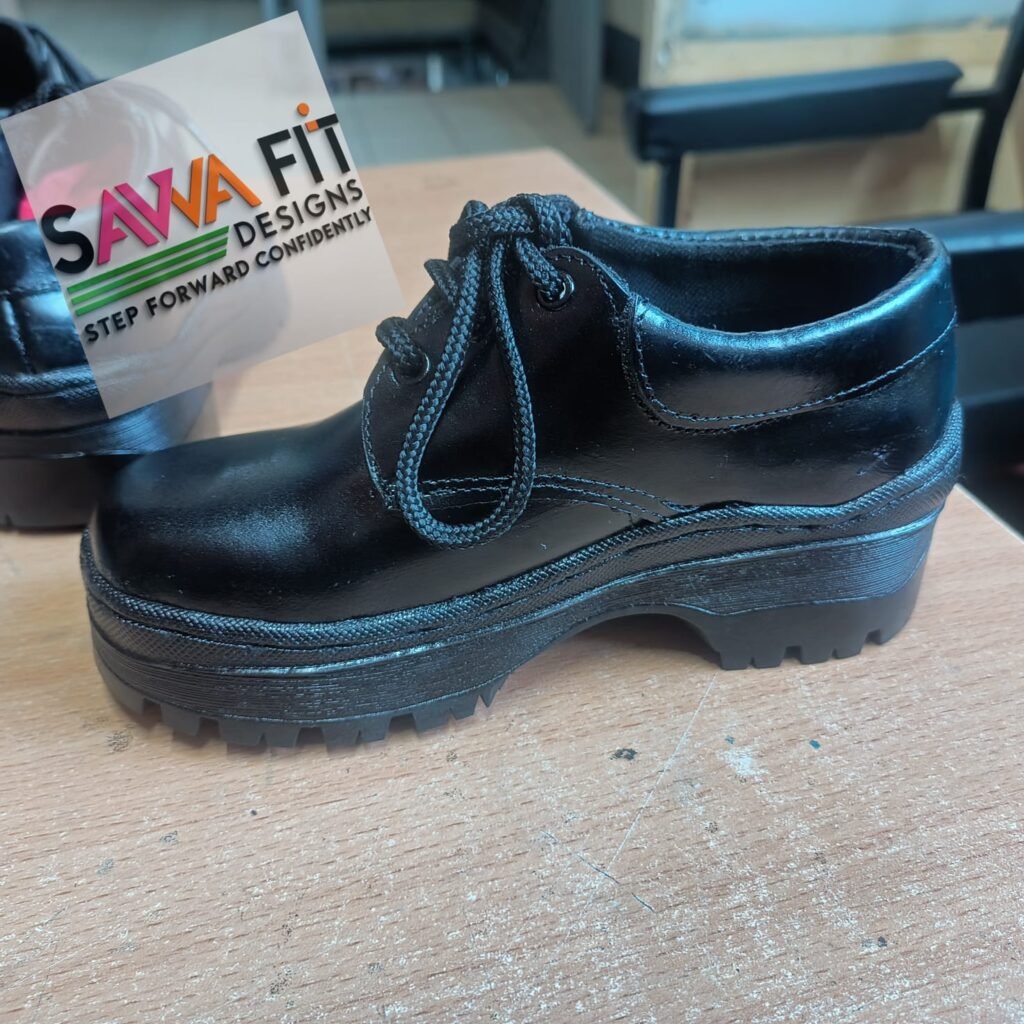
Where can I find a school shoes wholesaler in Nairobi?
The main wholesale hubs for school shoes in Nairobi are Eastleigh (the biggest, especially along streets like Garissa Lane and surrounding the market), Gikomba Market, Kamukunji, and the Dubois Road/OTC area along Tom Mboya Street. These clusters host dozens of importers and distributors selling black leather school shoes, rubber shoes, and sports shoes in bulk at trade prices.
That’s the quick answer. If you’re a school administrator, retailer, or parent buying for a large group, here’s everything worth knowing before you spend a shilling.
Why buy school shoes wholesale instead of retail?
The math is simple. A pair of standard black leather school shoes retails at Ksh 800–1,500 in shops across Nairobi. The same pair from a wholesaler costs Ksh 350–700, depending on quality grade and quantity. Buy 100 pairs and you’re saving Ksh 50,000 or more.
Who typically buys at this level?
Schools and academies. Bursars and procurement officers stocking the school shop or kitting out students on sponsorship programs. Back-to-school seasons (January and May) drive the biggest orders.
Retailers and mama mbogas of shoes. Small shop owners in estates and upcountry towns who resell at retail margins. Many make the trip to Eastleigh or Gikomba monthly.
Parent groups and churches. Form four leavers’ drives, children’s homes, and church welfare groups pooling money to buy in bulk.
NGOs and county governments. Distribution programs for vulnerable students often tender for hundreds or thousands of pairs.
If you’re buying fewer than 20 pairs, honestly, wholesale markets will still serve you — many wholesalers sell from as low as half a dozen pairs at slightly higher per-pair prices. But the real savings kick in at 50+ pairs.
The main wholesale areas in Nairobi, explained
Eastleigh
Eastleigh is Nairobi’s shoe wholesale capital. The area around Garissa Lane and the lanes feeding off General Waruingi Street is packed with shops stacked floor to ceiling with shoes. Most school shoes here come from imported stock, largely from China and India, with some Turkish leather options at the higher end.
Why buyers love it: variety under one roof, competitive pricing because shops sit side by side, and most wholesalers here also do bale opening — you can inspect individual pairs before committing.
Watch out for: brokers who latch onto visitors at matatu stages and “escort” them to shops earning a commission on everything you buy. Walk directly into shops and negotiate yourself.
Gikomba Market
Gikomba is Kenya’s largest open-air market, and its shoe section is massive. Much of the stock here is second-hand (mitumba) or mixed-grade new stock, which makes it the cheapest option — but quality varies pair to pair.
Why buyers love it: the lowest prices in Nairobi, full stop. A careful buyer with time to sort can land quality shoes at prices that undercut everyone.
Watch out for: inconsistent sizing and mixed conditions. This option suits buyers who can physically inspect every bale or box.
Kamukunji
Kamukunji’s workshops and traders mix locally made shoes with imported wholesale stock. It’s smaller than Eastleigh but worth a visit if you want Kenyan-made options or custom orders (some workshops produce shoes to spec, including school-specific designs).
Dubois Road / OTC
The shops along Dubois Road and the Tom Mboya Street corridor toward OTC deal heavily in wholesale footwear. Convenient if you’re already in the CBD, with many established importers who can also deliver upcountry.
What types of school shoes can you buy in bulk?
Wholesalers in Nairobi typically stock four categories:
Black leather school shoes. The standard. Look for genuine leather or good-quality synthetic (PU) leather. Ask the wholesaler which you’re getting — the price difference between real and synthetic leather is significant, and some sellers blur the line.
Black rubber/plastic shoes (gumboot-style school shoes). Common in lower-primary and rainy-season purchases. Cheaper than leather, typically Ksh 250–450 wholesale.
White canvas sports shoes. For PE and games. Wholesale prices run Ksh 300–600 depending on brand quality.
Sports shoes (track and trainers). Secondary school students increasingly want proper trainers. Wholesale from Ksh 600 up, brand-dependent.
Sizing is where bulk orders go wrong. Kenyan kids‘ sizing follows European or UK charts depending on the manufacturer — confirm which system your wholesaler uses, and order a size spread (usually UK 10–5 for primary, 5–9 for secondary) based on your student population.
How much do wholesale school shoes cost in Nairobi?
Prices move with import costs and the shilling, but typical 2026 ranges:
| Type | Wholesale price per pair (approx.) |
|---|
| Rubber school shoes | Ksh 250 – 450 |
| Synthetic leather shoes | Ksh 350 – 550 |
| Genuine leather shoes | Ksh 600 – 1,000 |
| White canvas sports shoes | Ksh 300 – 600 |
| Branded trainers | Ksh 700 – 2,000+ |
Minimum order quantities vary. Many Eastleigh wholesalers start at 6–12 pairs; established importers prefer 50+ pairs for their best rates. Always negotiate — quoted prices drop noticeably at 100+ pairs, and payment by M-Pesa or bank transfer is standard.
One cost buyers forget: transport. A box of 20–30 pairs is bulky. Factor in courier or matatu parcel costs to your final destination, especially for upcountry deliveries.
How to spot a genuine wholesaler (and avoid brokers)
Nairobi’s wholesale districts run on relationships, and newcomers get targeted by middlemen. Practical protections:
Walk into shops directly. Real wholesalers have permanent premises with stock on display. Brokers operate in the street.
Ask about stock depth. A genuine wholesaler can show you dozens of boxes of one style. A broker has a sample and a promise.
Compare three shops minimum. Prices for identical shoes can vary by Ksh 100+ per pair between neighboring shops.
Check for a business registration. Established wholesalers are registered businesses, many with KRA pins and import records. It matters if you’re buying institutionally and need an invoice.
Start small. Test with a first order of 20–30 pairs before committing a school budget to a new supplier.
Get a receipt with terms. Even handwritten. Agree on the exchange policy for defective pairs before paying — a small percentage of any bulk order arrives with issues.
Can I order school shoes wholesale online or upcountry?
Yes — this has changed a lot recently. Many Nairobi wholesalers now take orders via WhatsApp: they send catalog photos, you confirm quantities, pay via M-Pesa, and goods go by courier (Easy Coach, Modern Coast parcel services, or dedicated couriers) the same day.
The catch: you can’t inspect before paying. Mitigate it by ordering a sample pair first, buying from wholesalers other schools already use, and always using a traceable payment method. For large institutional orders (500+ pairs), many wholesalers will deliver physically or meet you halfway — negotiate this.
When is the best time to buy?
Back-to-school demand peaks in December–January and April–May. Prices firm up and popular sizes sell out fast during these windows. Smart buyers order in October–November or February–March, when stock is fresh and sellers are hungry. If your school runs a uniform shop, quarterly restocking beats one panic buy before opening day.
FAQs
Where is the cheapest place to buy school shoes in bulk in Nairobi? Gikomba Market for absolute lowest prices (with quality variance), Eastleigh for the best balance of price, variety, and consistent grading.
What is the minimum order for wholesale school shoes in Kenya? Most Nairobi wholesalers start at 6–12 pairs, with the best prices at 50–100+ pairs. Some will sell single pairs at near-wholesale rates to walk-in bulk buyers.
How do I know if school shoes are genuine leather? Press the surface — real leather wrinkles slightly under pressure and has an irregular grain; synthetic looks too uniform. The price tells you too: genuine leather school shoes wholesale below Ksh 500 are rarely the real thing.
Do wholesalers deliver outside Nairobi? Yes, most established wholesalers ship countrywide via courier on M-Pesa payment. For very large orders, some arrange physical delivery or supply through regional distributors.
Can schools get credit terms from wholesalers? Established relationships, yes — some wholesalers extend 30-day terms to schools and repeat institutional buyers. Expect to build trust over two or three orders first.
How do I avoid fake or substandard shoes in bulk orders? Inspect a sample pair from the actual stock (not the display pair), agree on an exchange policy in writing before paying, and check stitching, sole bonding, and sizing accuracy across several pairs in the box.