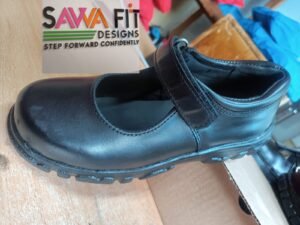
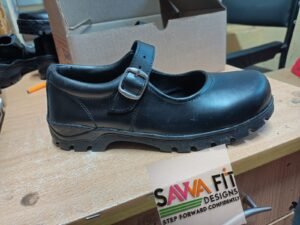
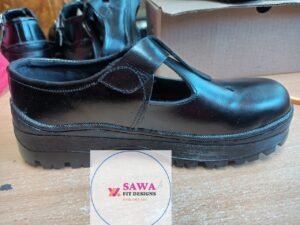
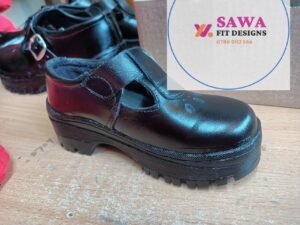
Learn how to extend the life of your child’s school shoes with these practical care tips. From choosing quality shoes to regular cleaning and maintenance, keep your child’s shoes in great condition.
School Shoe Care Tips: Extending the Life of Your Child’s Shoes
When it comes to school shoe care, maintaining the quality and longevity of your child’s shoes is essential. School shoes, like those from brands such as Start-Rite and Toughees, are designed to withstand daily wear and tear, but proper care is necessary to keep them in good condition. In this article, we’ll explore practical tips on how to care for your child’s school shoes, from choosing the right pair to regular maintenance routines.
Choosing the Right School Shoes
Before you start caring for your child’s school shoes, it’s important to select a pair that is well-made and suitable for their needs. Here are some factors to consider:
Quality Materials: Look for shoes made from durable leather or synthetic materials that provide good support and comfort.
Proper Fit: A good fit is essential. Shoes that are too tight or too loose can lead to discomfort and faster wear.
Sturdy Soles: The soles should have a good grip to prevent slipping on various surfaces.
Arch Support: Growing feet need proper arch support to prevent potential foot problems.
Regular Cleaning
Cleaning your child’s school shoes regularly helps maintain their appearance and extend their lifespan. Here’s how to clean different types of shoes:
For Leather Shoes:
Use a Damp Cloth: Wipe off dirt and mud with a damp cloth.
Leather Conditioner or Polish: Apply a leather conditioner or polish to keep the leather supple and shiny. This also protects the leather from cracking.
Buff with a Soft Cloth: Use a soft cloth to buff the shoes for a shine.
For Canvas or Synthetic Shoes:
Spot Clean: Use warm soapy water to spot clean stains.
Avoid Soaking: Do not soak the shoes entirely as this can weaken the fabric and damage the sole.
Dry Naturally: Allow the shoes to air dry naturally.
Laces:
Clean or Replace: Remove and wash laces separately or replace them if they are too worn out.
Waterproofing
Waterproofing is essential to protect your child’s shoes from rain and wet conditions:
Leather Shoes: Use a waterproof spray or wax to create a protective barrier.
Canvas or Fabric Shoes: Look for a fabric-specific waterproofing spray.
Keeping Shoes Dry
After exposure to water, drying your child’s shoes properly is important:
Stuff with Paper: Use crumpled paper to absorb moisture.
Air Dry: Allow the shoes to air dry naturally.
Proper Storage
How you store your child’s school shoes can affect their condition:
Avoid Boxes: Do not store shoes in a box as this can lead to mold and fungus.
Well-Ventilated Area: Store shoes in a well-ventilated area to keep them dry and fresh.
Teaching Children Responsibility
Encouraging your child to take care of their shoes can be a valuable lesson in responsibility:
Teach Proper Removal: Show your child how to remove their shoes correctly by untying laces and using their thumb to guide their foot out.
Daily Maintenance: Encourage them to brush off dirt and grit daily.
Additional Tips
Here are some additional tips to keep in mind:
Regular Inspections: Check the shoes regularly for signs of wear and tear.
Replace When Necessary: If the shoes are showing significant signs of wear, consider replacing them to prevent discomfort and potential foot problems.
By following these school shoe care tips, you can extend the life of your child’s shoes and save money in the long run. Proper care not only maintains the appearance of the shoes but also ensures your child’s comfort and foot health.
Conclusion
Caring for your child’s school shoes is a simple yet effective way to ensure they last longer and provide the necessary support for growing feet. By investing in quality shoes and following a regular care routine, you can help your child stay comfortable and confident throughout the school year. Whether you’re dealing with leather, canvas, or synthetic shoes, these tips will guide you in maintaining their condition and teaching your child the value of taking care of their belongings.