Learn how to sell shoes online in Kenya with this step-by-step guide. From choosing a niche to marketing strategies, start your profitable e-commerce journey today!
How to Sell Shoes Online in Kenya, A step by step guide
Selling shoes online in Kenya is a lucrative opportunity, thanks to the growing e-commerce market and increasing internet penetration. Whether you’re targeting trendy sneakers, formal footwear, or kids’ shoes, this guide will walk you through the steps to build a successful online shoe business.
Step 1: Choose Your Shoe Niche
To stand out in the competitive online market, focus on a specific shoe niche. This helps you target a defined audience and streamline your inventory. Here are some popular niches to consider:
Sports Shoes: High demand for brands like Nike, Adidas, and Puma.
Casual Shoes: Everyday sneakers and flats for men and women.
Formal Shoes: Leather shoes and boots for professionals.
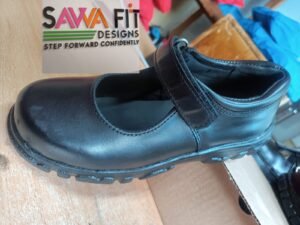
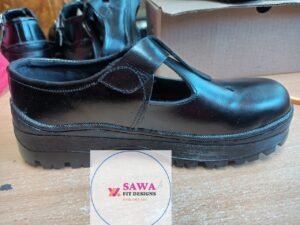
Kids’ Shoes: Durable and colorful options for children.
Safety Footwear: Industrial work boots for laborers.
Specialty Shoes: Hiking boots, orthopedic shoes, or golf footwear.
Pro Tip: Use tools like Google Trends to identify trending shoe types in Kenya. Seasonal demand (e.g., rain boots during rainy months) can also guide your inventory choices.
Step 2: Set Up Your Online Store
An attractive and functional online store is critical for success. Here’s how to get started:
Choose an E-Commerce Platform
Platforms like Shopify, WooCommerce, or Jumia make it easy to create an online store. These platforms offer templates that are mobile-friendly and customizable.
Domain and Hosting
Pick a domain name that reflects your niche (e.g., “sportsshoeskenya.co.ke”). Invest in reliable hosting for fast loading speeds.
Design Your Storefront
Use clean layouts with high-quality images of your shoes.
Include detailed descriptions (e.g., size, material, color).
Add filters for size, price, and type to improve navigation.
Payment Options
In Kenya, mobile money services like M-Pesa are essential. Also include card payment options like Visa or MasterCard.
Shipping Setup
Partner with reliable couriers like G4S or Fargo Courier. Offer flexible delivery options such as same-day delivery within Nairobi.
Step 3: Source Your Inventory
The quality of your shoes will determine customer satisfaction and repeat sales. Here are ways to source inventory:
Import Wholesale: Buy in bulk from manufacturers in China, India, or Vietnam to reduce costs.
Local Suppliers: Partner with Kenyan distributors or brands.
Custom Production: Work with local manufacturers to design unique shoes.
Factory Overruns: Purchase discounted stock from factories.
Second-Hand Market: Refurbish gently used shoes for resale (popular in certain niches).
Always inspect samples before committing to large orders to verify quality.
Step 4: Pricing Your Shoes
Pricing directly impacts your profitability and competitiveness. Here’s how to set prices effectively:
Research competitors’ prices on platforms like Jumia or Kilimall.
Factor in costs (inventory, shipping, marketing) plus desired profit margins.
Use psychological pricing (e.g., KES 999 instead of KES 1,000).
Offer discounts on bundles or older stock to attract buyers.
Step 5: Market Your Online Shoe Store
Marketing is essential to drive traffic to your store. Focus on these strategies:
Search Engine Optimization (SEO)
Optimize your website with keywords like “buy shoes online Kenya” or “affordable sports shoes Nairobi.” Add blogs about shoe care tips or trending styles.
Social Media Marketing
Platforms like Instagram and Facebook are ideal for showcasing your products. Post high-quality visuals and run targeted ads.
Influencer Collaborations
Partner with Kenyan influencers who align with your brand. They can showcase your products to their followers.
Email Campaigns
Send newsletters with promotions or new arrivals to subscribers.
Google Ads
Use pay-per-click advertising to target specific search queries related to shoes in Kenya.
Step 6: Offer Excellent Customer Service
Customer satisfaction builds trust and loyalty. Here’s how you can excel:
Respond promptly to inquiries via WhatsApp or email.
Offer flexible return policies for defective items.
Provide clear delivery timelines and updates.
Common Challenges and How to Overcome Them
High Competition
Focus on a niche market and offer unique designs or better pricing.
Shipping Delays
Partner with reliable couriers and communicate delivery timelines clearly.
Inventory Management
Use inventory software to track stock levels in real time.
Low Conversion Rates
Simplify the checkout process and offer multiple payment options.
Conclusion
Selling shoes online in Kenya is a rewarding venture if approached strategically. By selecting a niche, building a user-friendly store, sourcing quality inventory, pricing competitively, and marketing effectively, you can tap into the growing e-commerce market. Start small but remain adaptable as you learn what works best for your audience.