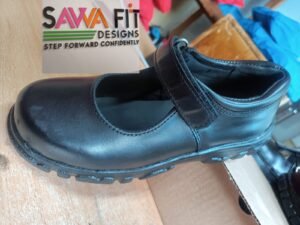
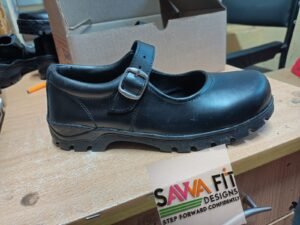
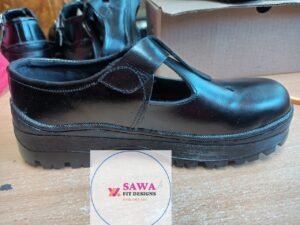
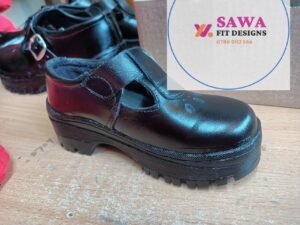
Choosing the right school shoes for your child is a task that requires careful consideration. School shoes should provide comfort, support, and durability to handle the demands of daily school activities. Here’s a comprehensive guide to help you select the perfect pair for your child.
Understanding the Importance of School Shoes
School shoes are not just about style; they play a significant role in supporting your child’s foot health and development. Poorly fitted shoes can lead to discomfort, blisters, and even long-term foot problems. Therefore, it’s essential to focus on both comfort and functionality when selecting school shoes.
Key Features to Look for in School Shoes
When shopping for school shoes, consider the following key features:
Flexible Sole: A flexible sole allows for natural movement and helps develop strong, flexible feet.
Wide Toe Box: This feature enables toes to splay naturally, promoting balance and correct foot alignment.
Zero Heel-to-Toe Drop: Encourages proper posture and walking patterns by maintaining a flat profile from front to back.
Breathable Materials: Keeps feet dry and comfortable throughout the day.
Ankle Stability: Essential for active children to prevent fatigue and injuries.
Have your child stand on a piece of paper to trace their foot.
Measure the length and add 1-1.5 cm to account for foot swell.
Compare this measurement to the shoe brand’s size guide.
Try On Shoes with Socks:
Ensure your child wears their school socks when trying on shoes.
Check for a snug fit but with enough room for growth.
Check for Room and Support:
Leave about a thumb’s width of space between the toes and the shoe’s front.
Lift the heel to check for support; there should be minimal movement.
Consider Durability and Activity Level:
Choose shoes that can withstand daily activities like running and playing sports.
Fashion vs. Function:
While style is important, prioritize comfort and support over fashion trends.
How to Check for a Proper Fit
A proper fit is essential for comfort and foot health. Here’s how to check:
Thumb’s Width: Ensure there’s about a thumb’s width of space between the toes and the front of the shoe.
Heel Support: Lift the heel to check for support; minimal movement indicates a good fit.
Sockliner Check: If the shoe has a removable sockliner, use it to check the fit by standing on it.
Common Mistakes to Avoid
Too Tight or Too Loose: Avoid shoes that are either too tight, causing discomfort, or too loose, leading to blisters and slippage.
Prioritizing Style Over Comfort: While fashionable shoes are appealing, prioritize comfort and support for your child’s foot health.
Tips for Active Children
For children who are highly active, consider the following:
Ankle Support: Essential for preventing fatigue and injuries.
Flexible Soles: Allow for natural movement and balance.
Breathable Materials: Keep feet dry and comfortable during prolonged activities.
Can You Put Orthotics in School Shoes?
Yes, many school shoes, such as those from ASICS, come with removable sockliners, allowing you to insert orthotics if recommended by a podiatrist.
Where to Buy School Shoes
You can purchase school shoes from various retailers, both online and in-store. Many stores offer free expert fit checks to help you find the perfect fit for your child.
Conclusion
Choosing the right school shoes involves considering several factors, from comfort and support to durability and style. By following these guidelines, you can ensure your child has a comfortable and healthy school experience.
Frequently Asked Questions
Why is a flexible sole important in school shoes?
A flexible sole allows for natural movement, enhancing balance and foot development.