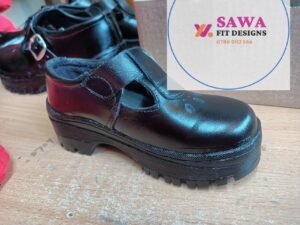
Find the perfect ‘back to school shoes Kenya’ for your child. Our guide covers comfort, durability, school rules, and where to buy quality footwear in Kenya. Shop smart for growing feet!
Back to School Shoes Kenya: Your Guide to Smart Footwear Choices
As the new school term approaches, parents across Kenya begin the yearly task of finding the right ‘back to school shoes Kenya’ for their children. It is more than just buying a pair of shoes; it is about investing in your child’s comfort, health, and academic success. The right footwear supports growing feet, withstands daily wear and tear, and meets school regulations. This guide helps you make informed decisions when buying school shoes in Kenya.
Why Quality School Shoes Matter
Your child spends a significant part of their day in school shoes, from classroom activities to playtime. Cheap, ill-fitting shoes can lead to various problems.
Discomfort and Pain: Poorly made shoes cause blisters, aches, and general discomfort. This distracts a child from learning and engaging in activities.
Foot Health Issues: Growing feet need proper support. Bad shoes contribute to long-term foot problems, affecting posture and gait.
Durability and Cost-Effectiveness: Investing in a durable pair saves you money in the long run. Quality shoes last longer, reducing the need for frequent replacements.
Safety: Good traction and a secure fit prevent slips and falls, especially on varied terrains common in Kenyan schools.
Key Factors When Buying School Shoes in Kenya
When you shop for back to school shoes Kenya, keep these points in mind:
1. Material
The shoe’s material directly affects its durability, comfort, and breathability.
Leather: This is a popular choice for good reason. Leather is durable, conforms to the foot over time, and is easy to clean. It also offers good breathability, reducing sweat and odor. Look for genuine leather, which lasts longer.
Synthetic Materials: These are often lighter and more affordable. While some high-quality synthetics offer decent durability, many wear out faster than leather. They may also trap heat more, making feet uncomfortable.
Canvas: Breathable and lightweight, canvas shoes are typically less durable than leather or good quality synthetic options, especially for daily school use. They may not offer enough protection or support for active children.
For lasting quality and comfort, leather school shoes are often the best choice for children in Kenya.
2. Fit and Size
This is perhaps the most important factor. A poorly fitting shoe causes immediate discomfort and can lead to long-term foot issues.
Measure Feet Regularly: Children’s feet grow quickly. Measure your child’s feet before each purchase, especially during back-to-school season.
Try Them On: Have your child try on both shoes with the socks they will wear to school.
Room to Grow (But Not Too Much): Ensure there is about a thumb’s width of space between the longest toe and the end of the shoe. The shoe should fit snugly around the heel without slipping. Avoid buying shoes that are too big for your child to “grow into.” Oversized shoes cause clumsiness, blisters, and falls.
Walk Around: Ask your child to walk around in the shoes to check for comfort and any pressure points.
3. Durability and Construction
School shoes take a beating. Look for features that indicate good construction:
Reinforced Stitching: Strong seams prevent the shoe from falling apart quickly.
Sturdy Soles: Rubber soles with good grip are ideal. Check if the sole is securely attached to the upper.
Padded Collars and Tongues: These add comfort and prevent rubbing.
Shock Absorption: Look for a good, shock-absorbing midsole to cushion impact during activities.
Water Resistance: Given Kenya’s rainy seasons, water-resistant materials are a plus.
4. School Requirements
Most schools in Kenya have specific uniform policies.
Color: Black school shoes are almost universally required.
Style: Most schools prefer plain, closed-toe shoes. Some allow lace-ups, while others prefer buckle or Velcro fastenings, especially for younger children.
Simplicity: Avoid shoes with excessive branding or flashy designs.
Always check your school’s uniform policy before making a purchase.
5. Price
The price of back to school shoes Kenya varies widely, generally ranging from KES 800 to KES 4,000 or more, depending on the brand, material, and where you buy them. While it is tempting to choose the cheapest option, remember that a slightly higher investment in a quality pair saves you money by lasting longer.
Where to Buy Back to School Shoes in Kenya
You have several options when shopping for back to school shoes Kenya:
Local Markets and Shoe Stores: Markets like Gikomba in Nairobi offer affordable options. Inspect the quality carefully as it varies. Dedicated shoe stores often offer a wider selection of reputable brands.
Supermarkets and Retail Chains: Major supermarkets such as Carrefour, Naivas, and Quickmart stock school shoes, especially during “back-to-school” seasons. These are convenient and offer competitive prices.
Online Retailers: E-commerce platforms like Jumia and Kilimall, along with direct websites of brands, provide a convenient way to shop from home. Always check reviews and return policies when buying online.
Specialized Shoe Stores: Stores like Bata and those stocking brands like Josef Seibel (ShuShu range) and City Walk focus on quality and offer professional fitting services.
Popular Back to School Shoe Brands in Kenya
Several brands are well-known and trusted for back to school shoes in Kenya:
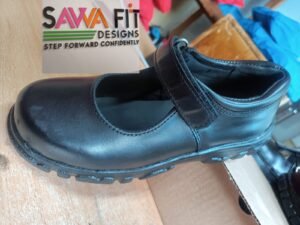
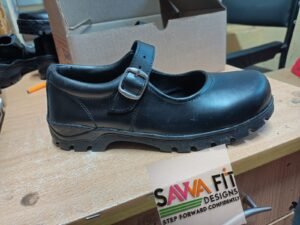
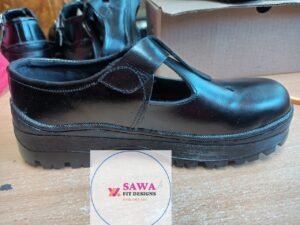
SawaFit: This brand has gained popularity for its comfortable, durable pure leather school shoes. They focus on longevity and comfort for growing feet. They are a go-to for many parents.
Bata: A household name, Bata offers a wide range of school shoes known for their reliability and accessibility across Kenya.
Josef Seibel (ShuShu Range): Designed in Germany and made in Kenya, ShuShu shoes are known for their quality, lightweight design, and comfort, using genuine Kenyan leather.
City Walk: This brand offers a variety of leather school shoes at different price points, providing options for various budgets.
Umoja Shoe Company: They offer various leather school shoes under their Studeez and Shupavu brands, known for their durability.
Maintaining Your Child’s School Shoes
Proper care extends the life of school shoes and keeps them looking good:21
Clean Regularly: Wipe off dirt and mud daily.
Polish Leather Shoes: Polish leather shoes regularly to keep them looking new and add a protective layer.
Dry Properly: If shoes get wet, stuff them with newspaper to absorb moisture. Avoid direct heat, which can damage materials.
Rotate Shoes: If possible, have two pairs of school shoes and alternate them. This allows each pair to air out and recover, reducing wear and tear.
Conclusion
Finding the right back to school shoes Kenya does not have to be a difficult task. By considering material, fit, durability, school requirements, and your budget, you can find a suitable pair for your child. A good pair of school shoes supports your child’s comfort and well-being, helping them focus on their studies and activities. Take your time, assess your options, and choose wisely.