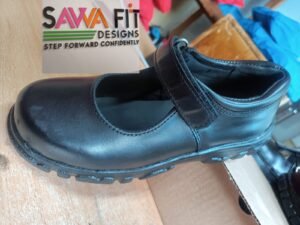
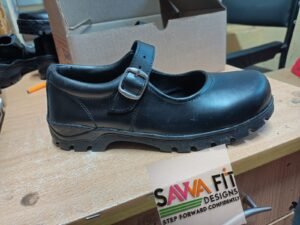
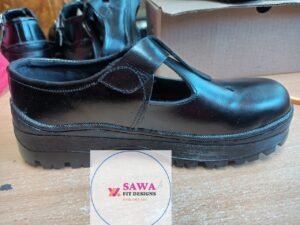
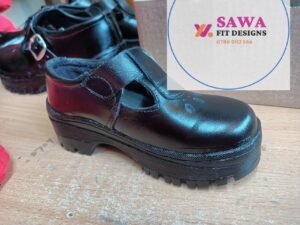
African Leather: What It Is and Why It Matters for Back to School Shoes
If you are shopping for African leather for back to school shoes, you likely want a material that feels comfortable, lasts a long time, and stands up to daily use. African leather shoes are popular in many parts of the continent, from casual styles to formal school uniforms. This guide explains what African leather is, how it performs under different conditions, what it smells like, and how long it lasts.
What Is African Leather?
When we talk about African leather, we mean leather that comes from hides processed in Africa. Usually, this starts with animal skins, most often from cattle, goats, or sheep. The hides are cleaned, tanned, and finished to make a material that can be used for shoes, bags, belts, and other products.
Leather processing involves removing moisture and stabilizing the hide so it does not decay. Tanning changes the skin into flexible leather you can wear. African leather isn’t one specific type of leather like full-grain or top-grain. Instead, it refers to leather made by tanneries based in African countries, often designed for local markets and climates. Some products, like school shoes and boots, are made with sturdy leather meant to handle daily wear.
African leather may vary in quality, depending on the animal hide used, the tanning method, and the finishing process. Good quality leather has tight fibers and a finish that resists cracking and moisture.
What Does African Leather Smell Like?
Leather has a distinct scent that many people recognize immediately. African leather smells like natural hide that’s been cleaned and tanned. This scent is earthy and rich, with hints of the natural oils left in the leather. It is different from the chemical smell of cheap synthetic materials or vinyl.
The smell comes from the tanning process and oils still present in the hide. Vegetable-tanned leather can smell more like wood and plant tannins, while chrome-tanned leather might smell slightly sharper, but still natural. In general, African leather for shoes has a mild leather scent, especially when new, that fades over time as it’s worn and exposed to air.
If your leather shoes smell strongly of chemicals or glue, it might be a sign they are not made from real leather.
Why African Leather Works for Back to School Shoes
When you choose African leather for back to school shoes, you are picking a material with some clear advantages.
Breathability and Comfort
Leather lets air move through it better than synthetic materials. That means your feet stay cooler on warm days and sweat is reduced. Breathable leather also helps keep odor down.
For children running, walking, or playing on the playground, shoes that breathe are easier on their feet.
Durability for Daily Use
Leather resists abrasion and wear and tear better than most fabrics. Shoes made from quality leather can handle repeated use, rough play, and long school days. Leather’s flexible fibers can adapt to foot movement without losing shape quickly.
Shape and Fit
Leather naturally molds to your foot over time. For back to school shoes, that means the fit gets better the longer they are worn. A good fit matters for comfort, posture, and reducing blisters.
Is African Leather Good for Summer?
Yes. Leather works well in summer conditions. Leather’s breathability allows air to circulate around your foot. This lets sweat evaporate more easily, keeping feet cooler than some synthetic materials would.
That said, leather is not waterproof, so heavy rain or constant exposure to moisture can make the material stretch or soften if it is not treated. For rainy seasons, adding a water repellent spray can help protect your leather shoes.
In dry summer weather, leather shoes remain comfortable and flexible. Low humidity and sunlight help dry moisture away quickly after washing feet or light rain.
How Long Does African Leather Last?
The lifespan of leather depends on quality, how it is treated, and how often it is used. Genuine leather used in shoes typically lasts several years with normal wear. For example, leather footwear often lasts 3 to 7 years or more with proper care, depending on shoe quality and how often you wear them.
Factors that influence longevity include:
Leather grade. Higher-quality leather with dense fibers resists wear longer.
Tanning process. Vegetable-tanned leather usually ages well and stays strong.
Use patterns. Daily school wear with play and sports wears more on shoes than occasional use.
Climate. Dry climates are easier on leather than constantly wet or humid ones.
Care. Cleaning, conditioning, and proper storage extend life.
Here are typical expectations for leather products:
Leather Item | Approximate Lifespan Shoes | 3 to 7+ years Bags | 10 to 20+ years Belts | 2 to 5 years
These numbers vary based on usage and care. For school shoes that see daily use and outdoor play, expect several years of service if taken care of well.
Tips to Make African Leather Shoes Last Longer
Taking a few simple steps helps leather shoes stay strong and look good:
Clean regularly. Wipe away dirt and dust after use.
Condition leather. Use a leather conditioner now and then to keep the hide flexible.
Dry gently. If shoes get wet, dry them in shade at room temperature. Do not use direct heat.
Store well. Keep shoes in a dry place away from direct sun.
Follow these care steps and your leather shoes will look better and last longer.
Choosing the Right Leather School Shoes
When shopping for leather school shoes, pay attention to these details:
Real leather vs synthetic. Real leather lasts longer and breathes better.
Stitching and soles. Good stitching and strong soles help shoes stand up to daily wear.
Comfort fit. Try different sizes to find the most comfortable fit.
Quality finish. Shoes with a solid finish resist moisture and scuffs.
Real leather shoes may cost more upfront, but they often save money over time because they last longer than synthetic alternatives.
Conclusion
African leather is a practical choice for back to school shoes. It breathes, fits well over time, and stands up to daily wear in summer heat. The natural leather smell is familiar and earthy, unlike synthetic materials. With basic care, leather shoes can last several years, making them a good investment for school kids.
If you are buying leather school shoes, focus on fit and quality. Real leather gives you durability and comfort that most synthetic options cannot match.