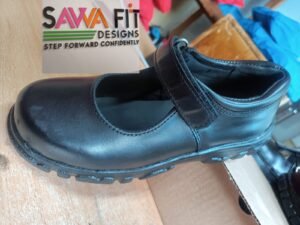
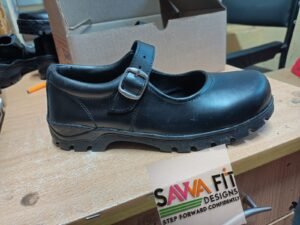
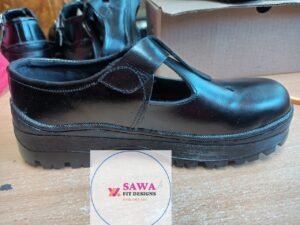
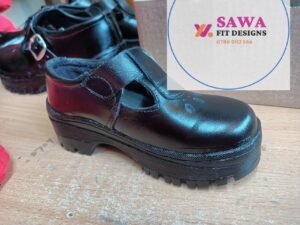
Learn what natural leather is, how it differs from synthetic leather, the 5 types of leather, why natural leather is durable, and tips for back to school shoes.
When you choose natural leather, you pick a material made from real animal hide rather than plastic or synthetic layers. Natural leather has a long history in footwear and accessories, and it remains popular today for products like back to school shoes because it breathes, lasts, and adapts well to your foot.
In this article you will learn what natural leather is, how it compares to synthetic leather, the main types of leather, and why it matters for durability and everyday use.
What Is Natural Leather?
Natural leather is animal hide that has been cleaned, tanned, and treated to make it useful for products like shoes, belts, bags, and jackets. The tanning process stabilizes the hide so it does not rot, while preserving strength and flexibility. Natural leather shows real grain patterns, texture, and often a rich smell that many people associate with quality footwear and accessories.
How Natural Leather and Synthetic Leather Differ
When comparing natural leather to synthetic leather, the main differences come down to origin, feel, performance, and longevity.
Origin and Material
Natural leather comes from animal hides such as cow, goat, or pig skin.
Synthetic leather is made from plastic materials like polyurethane (PU) or polyvinyl chloride (PVC) bonded to a fabric base.
Breathability and Comfort
Natural leather is porous, so it lets air circulate around your feet. This makes shoes more comfortable, especially for back to school when you might wear them all day. Synthetic leather is less breathable, so your feet can feel hotter and sweat more.
Appearance and Aging
Natural leather changes over time, developing a patina and softening with use. Synthetic leather usually stays the same, and can crack or peel sooner under frequent wear.
Maintenance
Synthetic leather is easy to clean with a wipe, while natural leather needs occasional conditioning to stay supple and avoid drying out.
Cost
Natural leather products often cost more initially but can last significantly longer, giving better value over time if you take care of them. Synthetic leather items are cheaper but may require replacement sooner.
What Makes Natural Leather Durable?
Yes, natural leather is durable. The tanning process strengthens the hide, and high-quality natural leather will resist wear better than most synthetic alternatives. Because natural leather fibers are strong and interlocked, they handle stress from daily use, bending, and movement. With proper care, a pair of natural leather back to school shoes can last multiple school years.
One simple indicator people use is how leather reacts when you press it. Natural leather wrinkles a bit and returns to shape, while synthetic materials can crease in a stiff, unnatural way.
What Are the 5 Types of Leather?
Leather types are often described by where they come from on the hide and how they are processed. Below are five common leather types you are likely to encounter:
1. Full Grain Leather
This is the highest grade and most natural form of leather. Full grain hides keep all their original surface, including natural markings and grain. They are strong, breathable, and develop a character-rich patina with age.
Good For: Premium shoes, high-end accessories
Best Feature: Longevity and looks that improve with use
2. Top Grain Leather
Top grain leather comes from the top layer of the hide with surface imperfections lightly sanded away. It feels smoother and is slightly more flexible than full grain, though a bit less durable.
Good For: Mid-range leather shoes, wallets
3. Genuine Leather
Often confusingly named, “genuine leather” is made from the layers beneath top grain. It is real leather but generally lower in quality and durability.
Good For: Budget shoes and accessories where strength is less critical
4. Split Leather
Split leather is the layer of hide below the top grain. It is usually softer and can be finished to resemble better grades, but it is weaker and less resilient.
Good For: Suede products and soft accessories
5. Bonded Leather
This is made by bonding scrap leather pieces with adhesives and sometimes synthetic materials. It looks like leather from a distance, but lacks strength and longevity.
Good For: Very affordable items where long life is not a priority
Why Leather Choice Matters for Back to School Shoes
When you shop for back to school shoes, the material matters for comfort, durability, and long term cost:
Natural leather shoes breathe better on warm days, so feet stay cooler.
They handle daily wear from walking, running between classes, and long hours on feet.
As leather softens with use, shoes adapt to your foot shape.
If you compare two pairs that look similar, the one with higher-grade natural leather typically lasts longer and feels better after being worn in.
Quick Comparison: Natural vs Synthetic Leather
Feature
Natural Leather
Synthetic Leather
Breathability
High
Lower
Comfort
Adapts to foot
Can feel stiff
Durability
Very durable
Varies, often lower
Aging
Patina, improves
Holds same look, can peel
Cost
Higher upfront
Lower upfront
Care
Needs conditioning
Easy wipe clean
Practical Tips for Leather Care
To get the most out of natural leather products:
Wipe off dirt after use with a soft cloth.
Apply a leather conditioner occasionally to keep fibers flexible.
Avoid soaking leather in water; it can stiffen and crack when it dries.
These small steps help keep shoes looking good and lasting through school terms.
Final Thoughts
Natural leather stands out when you want comfort, durability, and a material that grows better with use. When choosing back to school shoes, natural leather often pays off in comfort and longevity, even if the upfront cost is higher. The 5 types of leather range from premium full grain to economical bonded leather, and each has a place depending on your needs and budget. Natural leather may take a bit more care, but it rewards you with longer life and a classic look that synthetic options struggle to match.