Navigating the market for school shoes in Kenya can feel like a real task. You want something durable, comfortable, and affordable for your child, but prices and options vary widely. Understanding school shoe prices in Kenya means looking at several factors, from the materials used to where you buy them.
What Impacts School Shoe Prices in Kenya?
Several elements influence how much you will pay for a pair of school shoes. Knowing these helps you make an informed decision that balances quality and cost.
1. Material
The material of the shoe is a big determinant of its price.
Leather:Genuine leather shoes generally cost more. They offer excellent durability, breathability, and can last longer if cared for properly. Expect to pay a premium for full-grain or top-grain leather.
Synthetic Materials: These are often more affordable than leather. They are usually lighter, but their durability can vary. Good quality synthetics can still offer decent wear.
Canvas: Canvas shoes are typically the most budget-friendly option. They are breathable and lightweight, making them good for warmer weather, but they might not withstand daily wear and tear as long as leather or high-quality synthetic shoes.
2. Brand
Just like with any product, the brand plays a role in pricing. Well-known local and international brands often carry a higher price tag due to their reputation for quality, design, and consistency.
Established Brands: Brands like Bata, Clarks (available through distributors like DOS), and Start-Rite often have a higher price point. You are paying for a long history of shoe manufacturing, specific ergonomic designs, and perceived reliability.
Local Brands: Kenyan brands like SAWA FIT and ENSDA are gaining popularity. They offer competitive prices while focusing on the local market’s needs for durability and style.
Supermarket Brands: Many large supermarkets stock their own brands of school shoes, which are generally more budget-friendly. Their quality can differ, so inspect them carefully.
3. Durability and Construction
A shoe built to last will naturally cost more. Look for features that show good construction:
Reinforced Soles: Shoes with strong, well-stitched, or glued soles resist wear better.
Stitching Quality: Double stitching and neat seams indicate better craftsmanship.
Water Resistance: Some shoes come with water-resistant treatments, which add to their cost but can extend their life, especially during rainy seasons.1
Inner Lining and Support: Shoes with breathable linings (like leather or mesh) and good arch support contribute to comfort and foot health, impacting the price.
4. Size and Style
Larger sizes might sometimes be slightly more expensive. Also, certain styles, such as specific formal designs or shoes with specialized features, can affect the price. While many schools require simple black shoes, some designs may command a higher price.
5. Retailer
Where you buy the shoes also influences the price.
Specialized Shoe Stores: These stores, like Bata outlets or City Walk, often have a wider selection and staff who can help with fittings, but their prices might be higher.
Supermarkets and Retail Chains: Stores such as Naivas, Carrefour, and Quickmart are convenient and often have sales, especially during back-to-school periods.
Local Markets: Markets like Gikomba in Nairobi are known for offering very affordable shoes. You can find good deals, but you need to be cautious about quality and authenticity.
Online Stores: E-commerce platforms like Jumia and Kilimall offer variety and competitive pricing, often with delivery options.3 Make sure to check reviews and return policies.
Average School Shoe Prices in Kenya
The price of school shoes in Kenya varies considerably. Here’s a general breakdown to give you an idea:
Budget-Friendly (KSh 250 – KSh 500): You will find canvas shoes, basic synthetic options, and some local market finds in this range. Quality can be inconsistent, but good deals are possible with careful selection.
Mid-Range (KSh 500 – KSh 900): This segment includes more durable synthetic shoes, lower-end leather options. You can expect a good balance of durability and comfort here. Many common styles, including those with buckles or laces, fall into this category.
Premium (KSh 1,000 – KSh 5,000+): This range includes high-quality genuine leather shoes, ergonomic designs from local and international brands like SAWA-FIT, BATA, Clarks or Start-Rite, and specialized options. These shoes are built for longevity and superior comfort.
Examples of price ranges from various retailers:
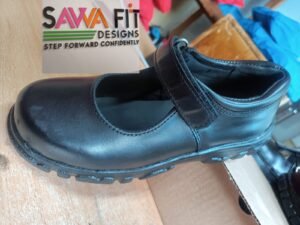
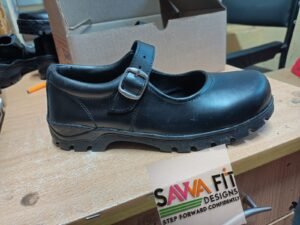
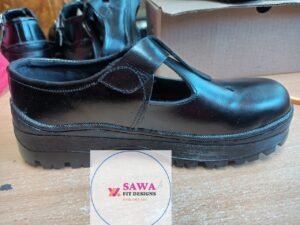
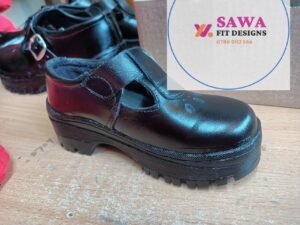
SAWA FIT: Offers genuine leather school shoes from around KSh 1,000 to KSh 2,000. Boys’ black school shoes are listed at KSh 1,200, and girls’ buckle shoes at KSh 1,400.
Jumia Kenya: Features a wide array of school shoes, with many genuine leather options ranging from KSh 999 to KSh 2,000, and some up to KSh 3,000.
Tots Shoppe Kenya: Lists various boys’ and girls’ school shoes (including Macadam, Chipmunks, Tu, and Start-Rite) generally between KSh 1,500 and KSh 2,000, with some at KSh 3,500.
GoSmart: Offers Toughees school shoes from KSh 1,999 to KSh 2,399.
Popular School Shoe Brands in Kenya
When you are looking for school shoes, you will come across several brands. Each has its own reputation for quality and price point.
SAWA FIT: This brand focuses on high-quality, comfortable, and durable pure leather school shoes. They have gained a good reputation for offering value.
Bata: A household name in Kenya, Bata offers a range of durable and accessible school shoes. They are known for their reliability and are widely available.
ENSDA: A Kenyan brand committed to local manufacturing, ENSDA produces durable and comfortable school shoes with classic styles.
Cheplagit: Known for its highly durable and water-resistant leather school shoes. These are often a bit pricier but promise good longevity.
Nginyo’s Shoes: Another popular brand offering high-quality leather shoes that generally meet school uniform requirements.
Clarks/Start-Rite: These international brands are known for ergonomic designs, foot support, and high quality. They tend to be on the higher end of the price spectrum in Kenya.
City Walk: Offers a variety of leather school shoes at different price points, providing options for various budgets.
Tips for Buying School Shoes in Kenya -School shoes price in Kenya
To get the best value and ensure your child’s comfort, consider these practical tips:
Measure Your Child’s Feet: Always measure their feet, preferably at the end of the day when feet are slightly swollen. This ensures a proper fit and prevents discomfort. Shoes that are too tight or too loose can cause foot problems.
Prioritize Comfort: Your child wears these shoes for many hours daily. Make sure they have good cushioning, flexible soles, and proper arch support. Ask your child to walk around in them to check for comfort.
Check School Requirements: Confirm your school’s uniform policy on shoe color, style (e.g., laces vs. buckles), and material before you buy. Most schools require plain black, closed-toe shoes.
Inspect Quality: Before buying, examine the stitching, sole attachment, and material for any flaws. Strong stitching and well-attached soles are signs of durability.
Consider Durability: Children are active, so their shoes need to withstand running, jumping, and playing. Investing in a slightly more expensive but durable pair can save you money in the long run by reducing the frequency of replacements. Leather and good quality synthetics usually offer better durability than canvas for daily school wear.
Shop During Sales: Keep an eye out for back-to-school sales and discounts offered by supermarkets and online stores. This is a good time to find quality shoes at lower prices.
Explore Different Retailers: Don’t stick to just one store. Check local markets, supermarkets, specialized shoe stores, and online platforms to compare prices and options.
Think About Maintenance: Shoes need regular cleaning and polishing to last. Consider shoes that are easy to clean. If possible, having two pairs to alternate can extend their lifespan.
Maintaining School Shoes for Longer Life
Once you have purchased a pair, proper care helps them last.
Clean Regularly: Wipe off dirt daily and polish leather shoes weekly to keep them supple and protected.
Air Them Out: Allow shoes to air out after wear to prevent odors and moisture buildup.
Rotate Pairs: If you can, buy two pairs and alternate them. This allows each pair to dry out completely and reduces wear and tear.
Repair Early: Address minor issues like loose soles or worn laces quickly. Small repairs can prevent bigger problems and extend the shoe’s life.
Store Properly: Keep shoes in a cool, dry place away from direct sunlight or heat, which can damage materials.
In Kenya, buying school shoes involves weighing cost against quality, durability, and comfort. By understanding the factors that influence school shoe prices in Kenya and applying smart shopping strategies, you can find a suitable pair that supports your child through their school year without straining your budget.