Find durable, comfortable school shoes for kids in Kenya. Learn why SAWAFIT shoes balance quality, affordability, and local needs. Get sizing tips and care advice.
Kids School Shoes in Kenya: What Parents Need to Know
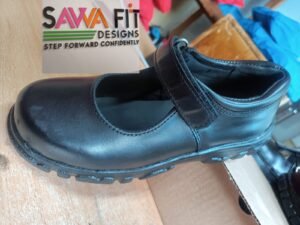
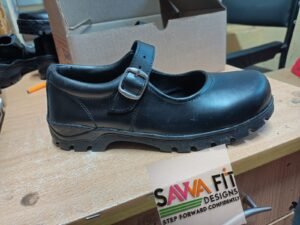
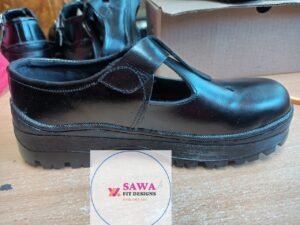
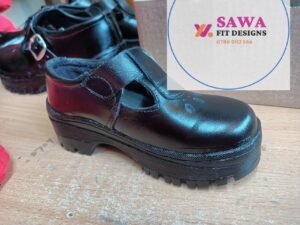
Choosing school shoes for kids in Kenya isn’t easy. You need shoes that last through muddy paths, crowded classrooms, and hours of play. SAWAFIT school shoes aim to solve these problems with designs made for Kenyan conditions. Let’s break down what matters when buying school shoes and how SAWAFIT meets those needs.
Why School Shoes Matter
Kids spend 6–8 hours a day in school shoes. Poor-quality shoes can cause blisters, foot pain, or long-term posture issues. In Kenya, challenges like uneven terrain, sudden rain, and budget constraints make durability and comfort non-negotiable.
Common complaints from parents:
Shoes tear within 3–4 months.
Soles detach after getting wet.
Narrow designs squeeze growing feet.
SAWAFIT addresses these issues with reinforced stitching, water-resistant materials, and wider toe boxes.
Key Features of SAWAFIT School Shoes
SAWAFIT focuses on three areas: durability, comfort, and affordability. Here’s how they deliver:
1. Durability for Kenyan Conditions
Reinforced soles: Thick 8–10 mm rubber soles handle rough roads and rocky paths.
Double-stitched seams: Reduces tearing at stress points (toes, heels).
Water-resistant canvas: Dries faster than leather and resists daily wear.
2. Comfort for Growing Feet
Wide toe boxes: Allow toes to spread naturally, preventing ingrown nails.
Padded collars: Reduce friction around ankles.
Breathable linings: Cotton-polyester blends minimize sweat and odors.
3. Affordable Pricing
SAWAFIT shoes cost between KSh 1,200–KSh 2,500, undercutting imported brands like Bata or BIC by 20–30%.
How to Choose the Right Size
Ill-fitting shoes cause 70% of foot problems in kids. Follow these steps:
Measure both feet: Kids’ feet can differ by up to 0.5 cm.
Check toe space: Leave 1–1.5 cm between the longest toe and shoe tip.
Test width: Press the sides. If the foot bulges, go wider.
SAWAFIT offers sizes 25–36 (EU), with wide-fit options up to size 32.
Comparing SAWAFIT to Other Brands
Feature
SAWAFIT
Brand X
Brand Y
Price (KSh)
1,200–2,500
1,800–3,200
2,000–3,500
Sole thickness
8–10 mm
5–7 mm
6–8 mm
Water resistance
High
Moderate
Low
Wide sizes
Yes (up to EU 32)
No
Yes (up to EU 30)
SAWAFIT outperforms competitors in sole durability and price but has fewer style options than imported brands.
Where to Buy SAWAFIT Shoes
SAWAFIT sells through:
Local retailers: Find stores in Nairobi, Mombasa, and Kisumu via SAWAFIT’s website.
Online: Jumia and Kilimall offer delivery nationwide.
Direct orders: Call for bulk purchases (10+ pairs).
Tip: Avoid counterfeit products by checking for SAWAFIT’s holographic logo inside the shoe.
Caring for School Shoes
Extend shoe lifespan with these habits:
Dry shoes naturally: Keep them away from direct heat to prevent cracking.
Clean mud immediately: Use a damp cloth to avoid stains.
Rotate pairs: Let shoes air out for 24 hours between wears.
SAWAFIT provides a free care kit (brush, waterproof spray) with every purchase.
Final Thoughts
SAWAFIT school shoes offer a practical solution for Kenyan parents. They’re built to survive tough conditions, support foot health, and fit tight budgets. While style options are limited, the trade-off is longer-lasting shoes that reduce yearly replacement costs.
Before buying, measure your child’s feet and read reviews from other parents. A good pair of school shoes should last at least two terms—anything less isn’t worth your money.